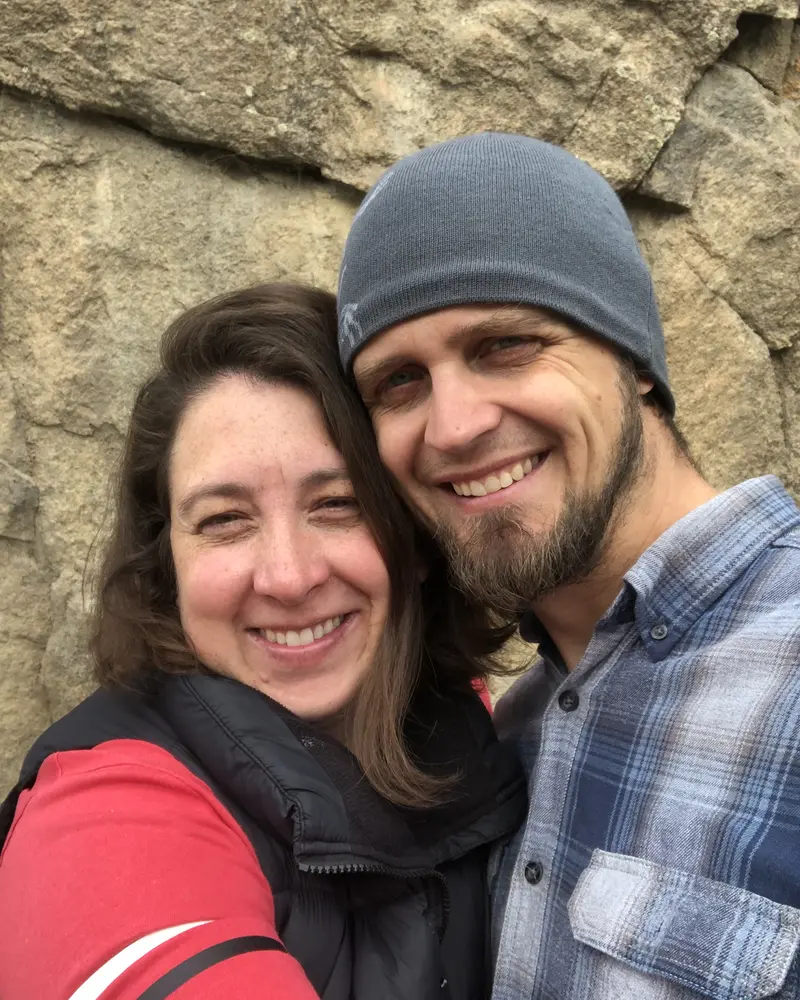
01 Grief that felt silent and alone
Rachel’s first pregnancy ended in miscarriage. Because the pregnancy was early and few people knew about it, much of her grief was private. After the birth of a healthy baby, she hoped that chapter was over. It was not. A second miscarriage was followed by undiagnosed postpartum depression and the painful sense that the people around her—including her healthcare provider—did not know how to support her.
Excellent medical care, but too little direction
Rachel later experienced a third miscarriage. She was given medication to induce labor at home, but there was no follow-up call or appointment to confirm that the medication had worked or ask how she was doing. In later pregnancies, Rachel and her husband, Paul, would also say goodbye to two sons, Promise and Emmanuel, who were born still.
Nurses who understood brought hope
During each stillbirth, Rachel briefly met a nurse who shared that she had also lost a baby. Neither nurse was able to stay throughout the delivery, but simply knowing someone in the hospital understood the loss changed the way Rachel remembered those days. Her experiences with physical care were very different: with Emmanuel she received strong physical care, while with Promise she remembers significant blood loss being ignored and the physician spending as little time as possible with her. In both losses, she still needed more emotional support, guidance about burial and remembrance options, and connections to resources for what came next.
From lived experience to a nonprofit
As Rachel became connected with other loss moms, she saw a way to bring together her nursing experience, master’s degree in counseling, and personal story. Doctors, midwives, labor-and-delivery leaders, and nurses affirmed that this kind of support was needed. With Paul and a growing community behind her, Rachel founded Unspoken Motherhood Inc in 2022.
A commitment to stand beside the next mother
Rachel wants mothers to know what options and resources are available when they first learn their baby no longer has a heartbeat. She wants someone familiar with both the hospital setting and pregnancy loss to be able to stay, listen, speak the baby’s name, and help a family find a little beauty amid the trauma—because even the littlest ones belong.
Supporting the medical staff, too
Pregnancy and infant loss are difficult for the nurses, doctors, midwives, and other professionals caring for grieving families. Unspoken Motherhood seeks to support the medical team as a partner—strengthening the compassionate care already being provided, offering loss-informed support, and, when baskets are delivered, caring for staff in practical ways such as providing food.